What does orthopedic podiatry and diagnostics involve?
Orthopedic podiatry at Orthopodo Center & Academy by Oksana Holovko combines podiatry, elements of orthopedics, and work with the biomechanics of the entire musculoskeletal system. We do not focus solely on the appearance of the feet—we look at how the feet affect the knees, hips, spine, and everyday movement comfort.
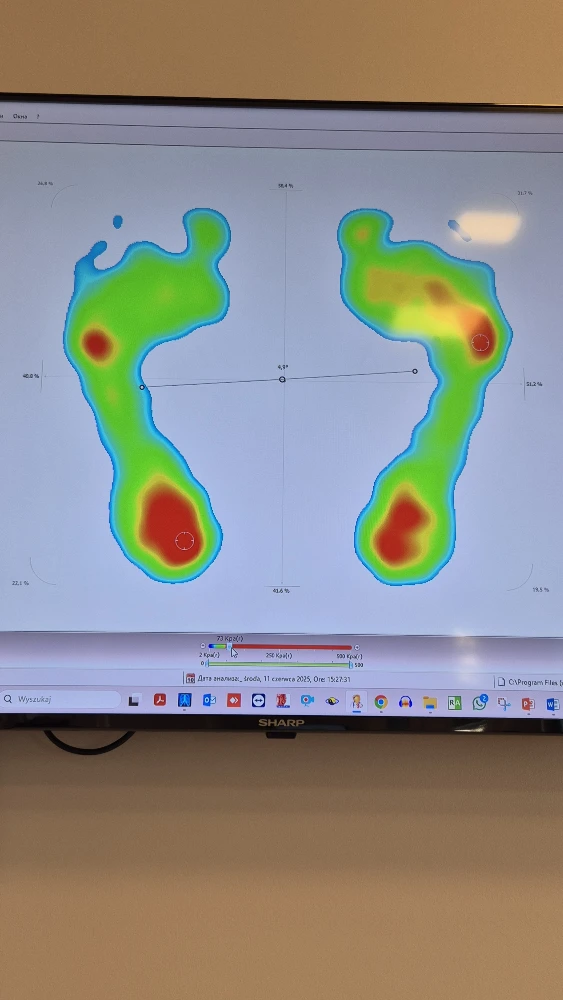
Diagnostics include a detailed interview, clinical examination, gait analysis, and—when necessary—a pedobarographic assessment. This allows us to move from “it hurts” to a clear understanding of where the problem comes from and what steps can realistically improve function.
When is it worth scheduling an orthopedic podiatry and diagnostics appointment?
Problemy podologiczne:
What does an orthopedic podiatry visit look like?
1. Interview and discussion
We begin with a calm conversation about your symptoms, lifestyle, and expectations. We ask when the pain appears, what makes it worse, what footwear you wear most often, what kind of work you do, and what your physical activity looks like. This is important because similar symptoms can have different causes.
2. Clinical examination of the feet and the whole body
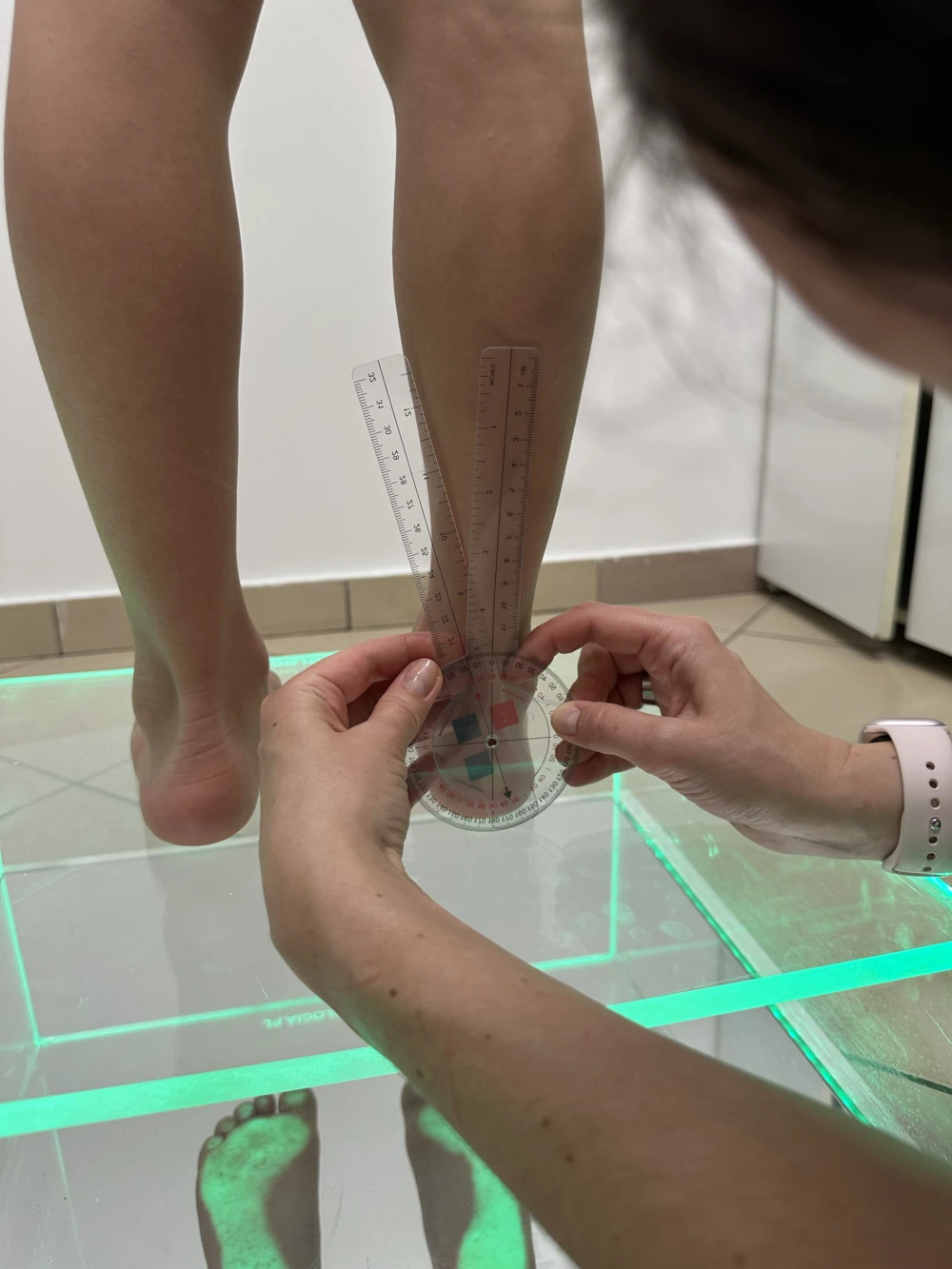
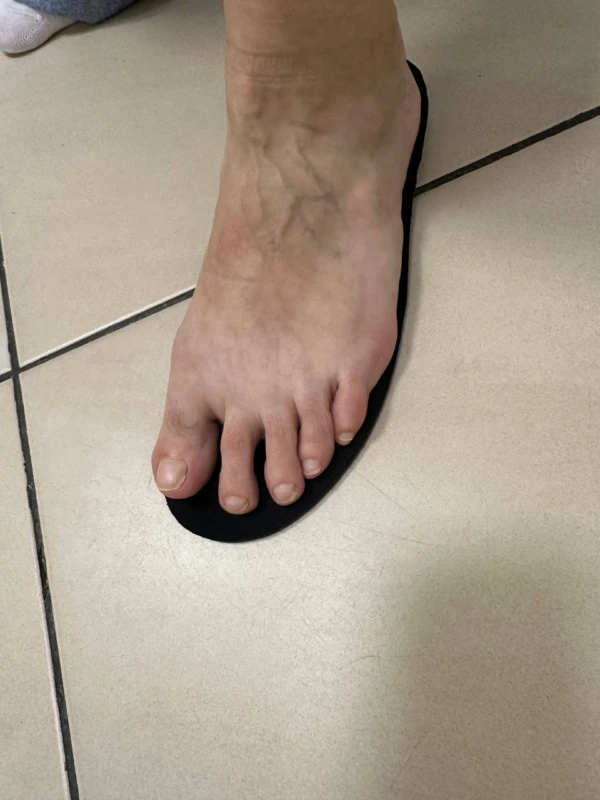
In the next part of the visit, we assess foot alignment, joint range of motion, muscle tension, and tissue response to load. We check how the ankle, knee, and hip joints function and whether compensations appear in other parts of the body. We also analyze the condition of the skin, nails, and any deformities.
3. Gait analysis and footwear assessment
We observe your gait in motion—how you place your feet, how you transfer body weight, and how the pelvis and torso are positioned. We also ask you to show the shoes you wear most of the day. The way the sole wears and how the material deforms reveal a great deal about gait biomechanics.
4. Pedobarography
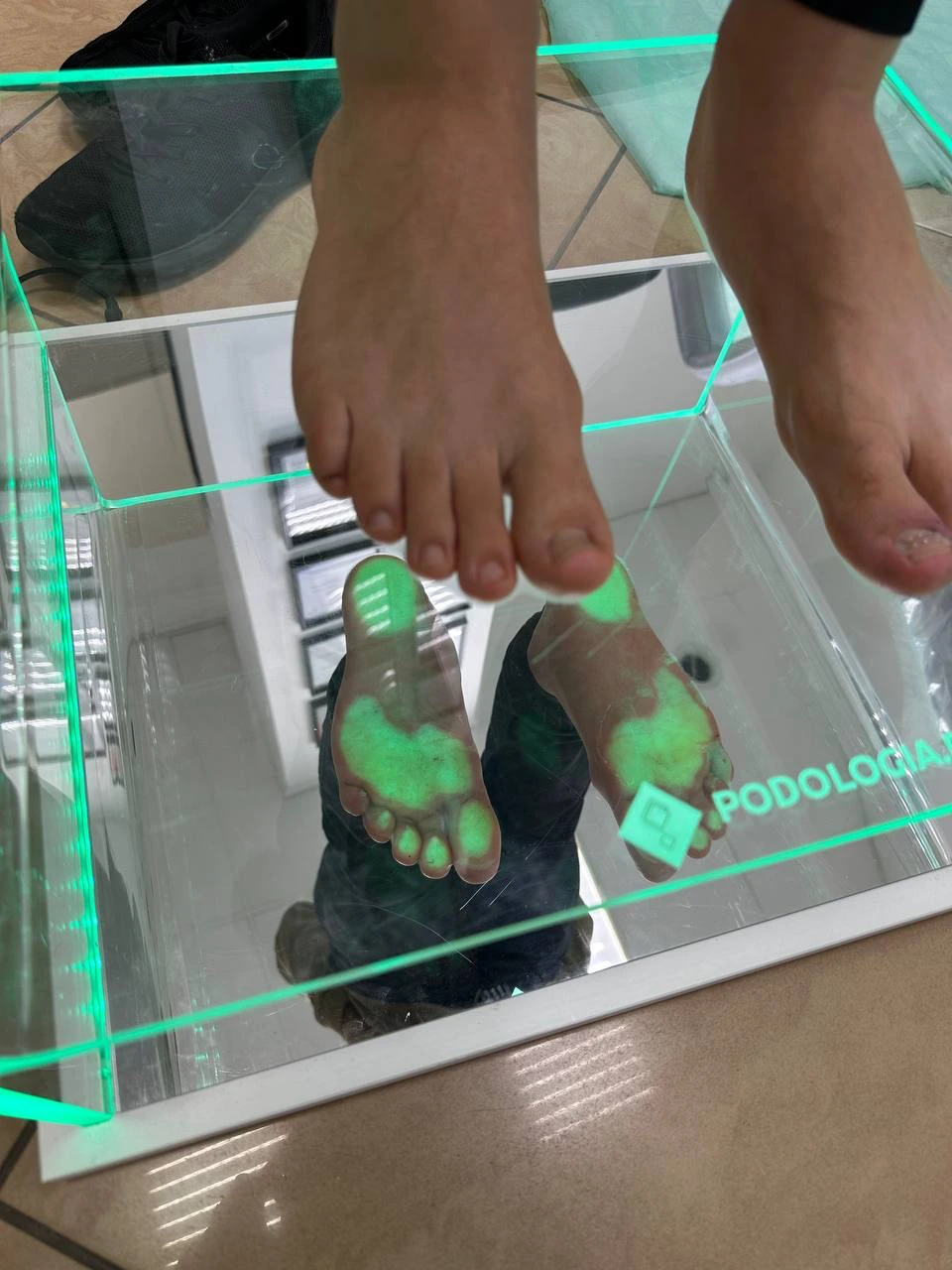
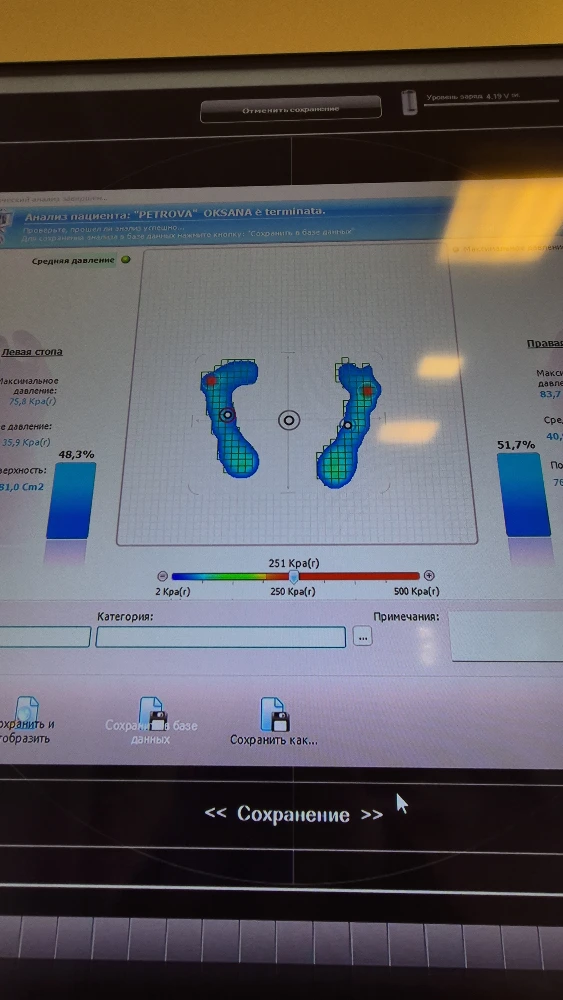
We perform diagnostics using a pedobarograph—a specialized platform that records pressure distribution on the feet while standing and walking. This allows us to objectively see which areas are overloaded, whether the foot is stable, and how the load is distributed between the right and left sides.
What does an orthopedic podiatry visit look like?
Orthopedic podiatry and diagnostics at Orthopodo are often the first step for many musculoskeletal complaints. We most often work with people who report:
- heel pain (e.g., morning “first-step” pain), midfoot or forefoot pain,
- recurring calluses, corns, or overload in the same areas,
- ingrown toenails,
- knee, hip, or lower back pain that worsens after prolonged standing or walking,
- a feeling of instability in the ankle joints, frequent ankle sprains,
- gait disturbances in children, quick fatigue, or reluctance to engage in physical activity.
What do you gain from orthopedic podiatry and diagnostics?
After the visit, you receive a clear and understandable picture of what is happening with your feet and the entire musculoskeletal system. Instead of random actions, you get a concrete plan:
- Recommendations regarding footwear – which models to choose and which to avoid,
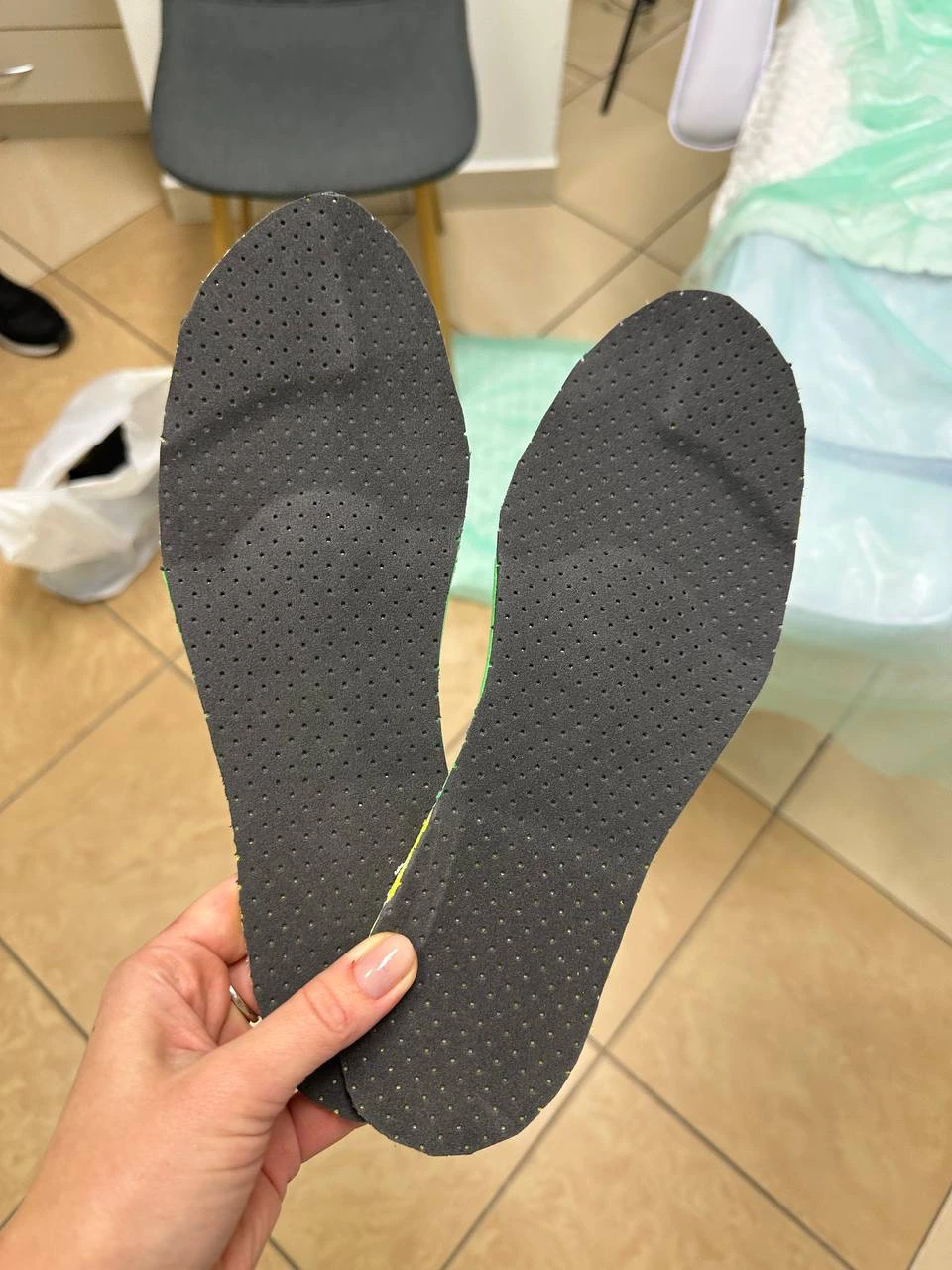
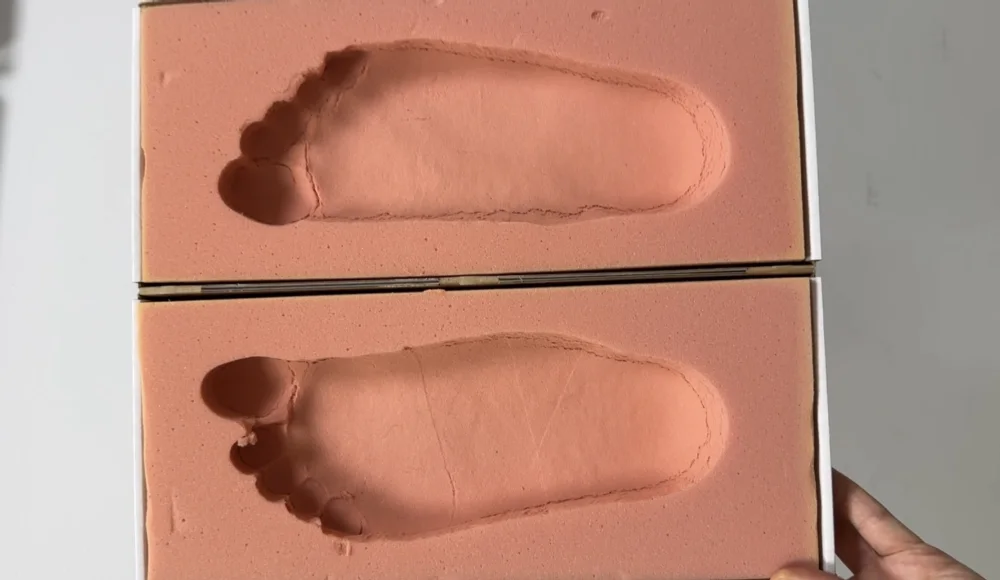
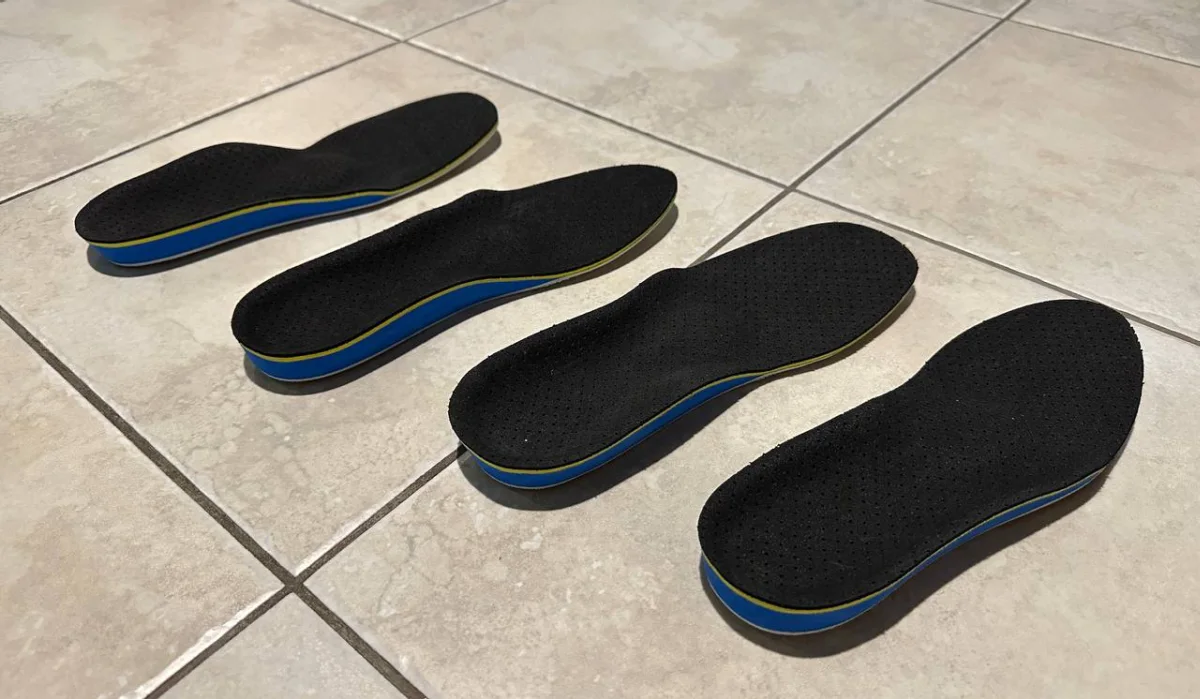
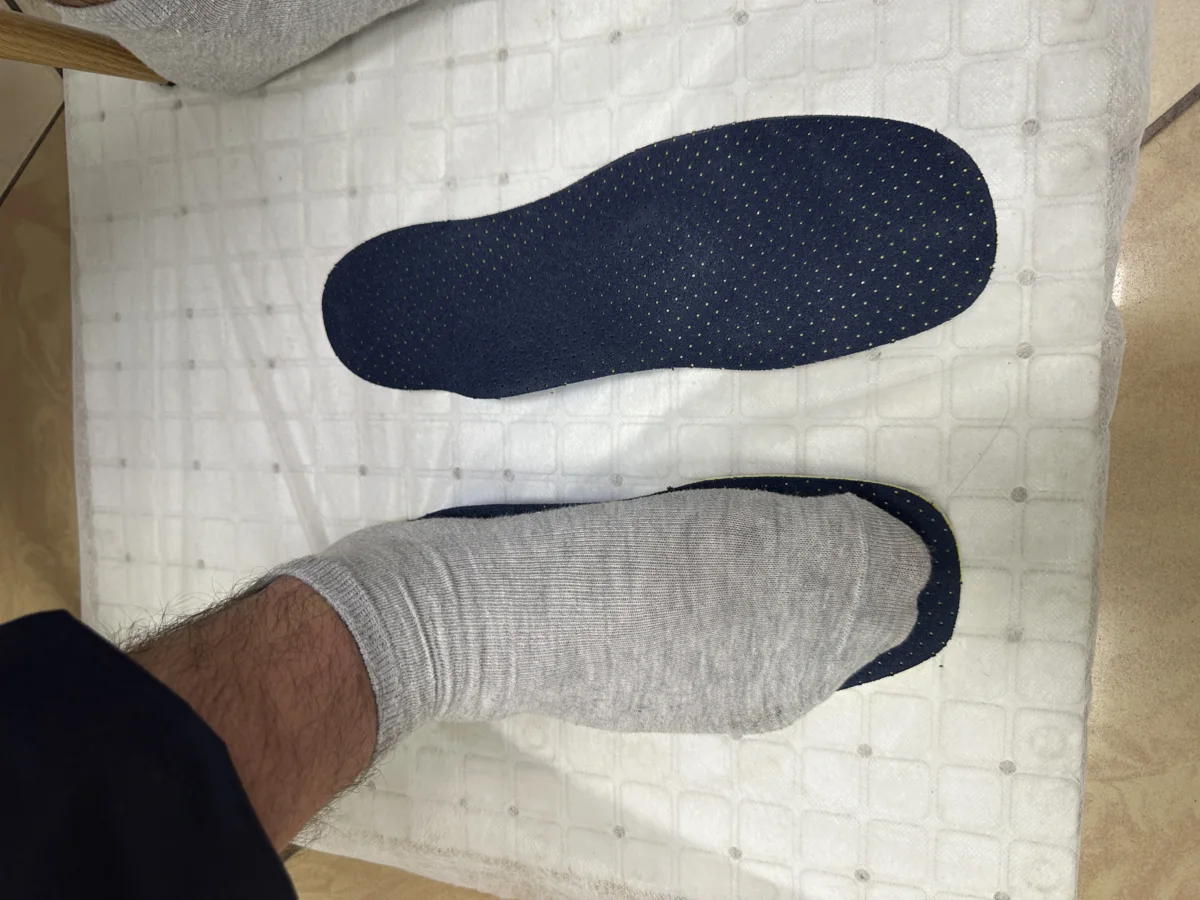
- Information on whether custom orthopedic insoles are recommended,
- Guidelines for physical activity, possible exercises, or further diagnostics,
- A proposed follow-up schedule (especially for children and complex cases).
What do you gain from orthopedic podiatry and diagnostics?