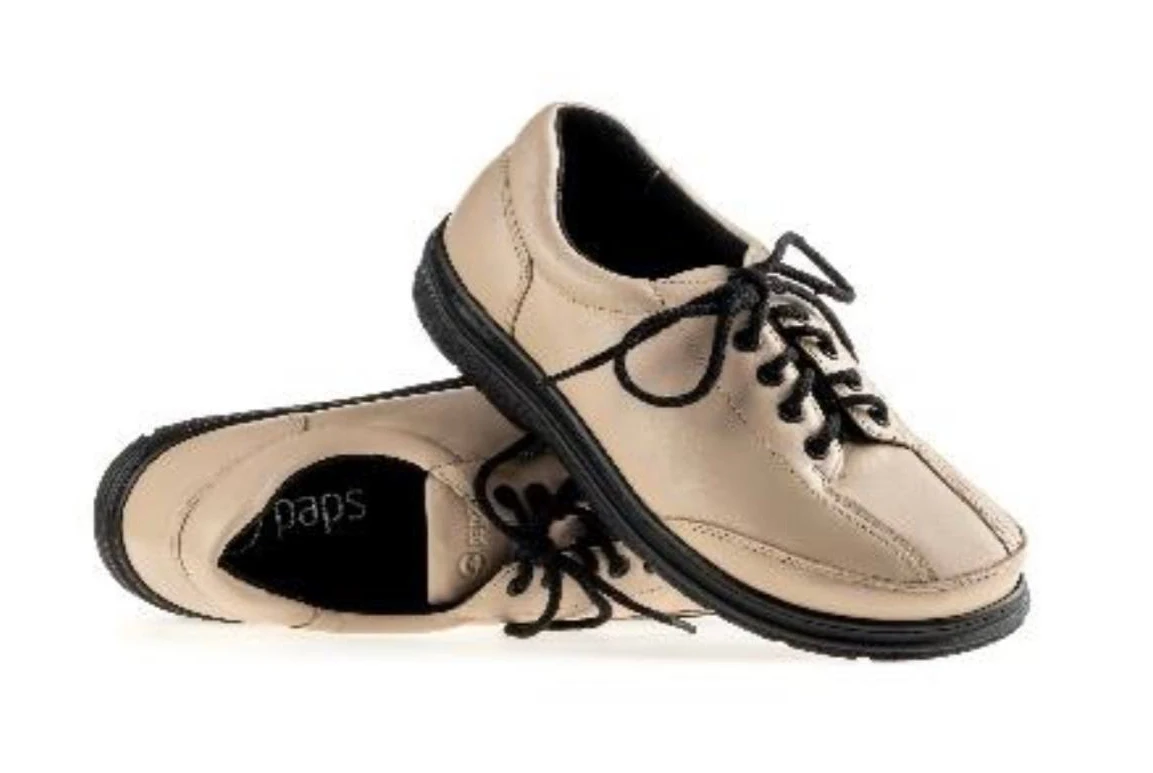
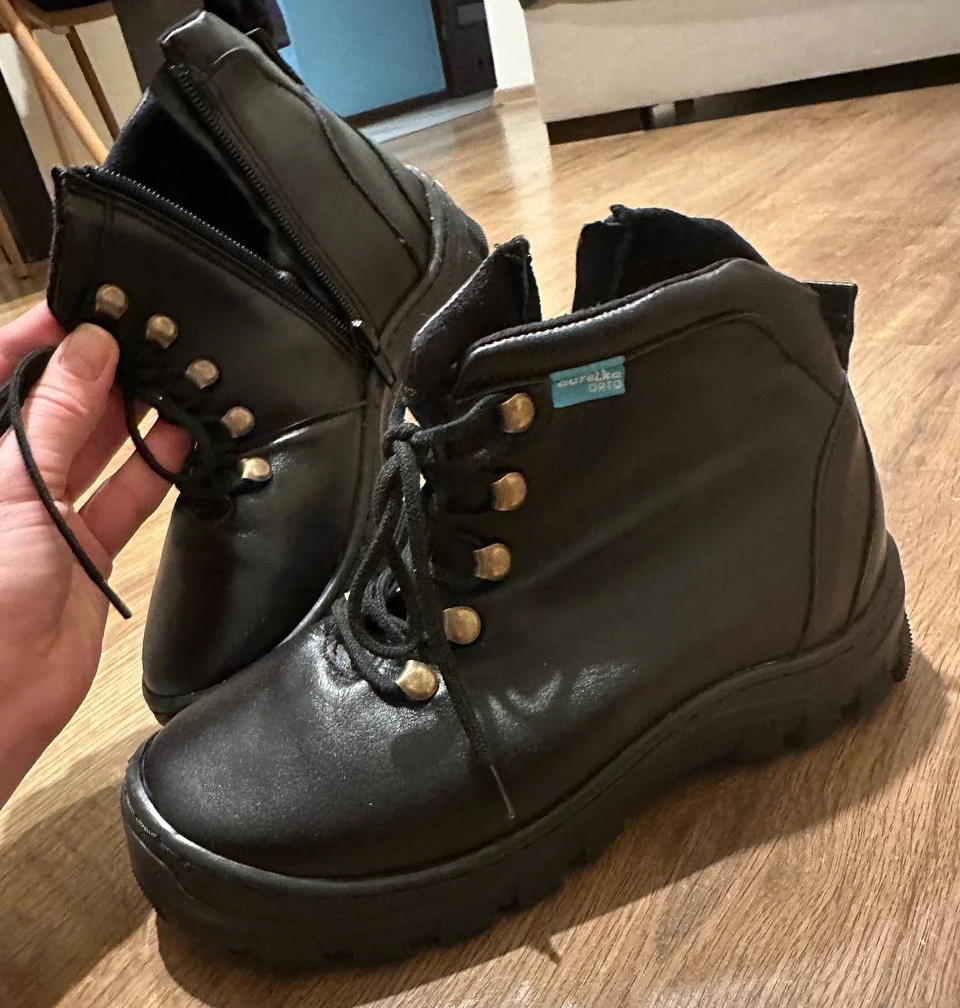
What does the selection of anatomical and orthopedic footwear involve?
Anatomical and orthopedic footwear is not just “special medical shoes.” These are models designed to support the natural function of the foot, reduce overload, and work in harmony with your biomechanics—every day, at work, and during physical activity.
At Orthopodo Center & Academy, footwear selection is always linked to foot diagnostics. We do not offer a universal “one-size-fits-all” solution; instead, we help choose a model that meets the specific needs of your feet: shape, width, deformities, use of custom insoles, type of load, and lifestyle.
⚠️ When is it worth considering anatomical or orthopedic footwear?
What does a footwear selection consultation look like?
1. Conversation and needs analysis
At the beginning, we talk about what you need the footwear for: work, everyday use, a specific sport, post-operative recovery, or prevention. We ask what shoes you currently wear, what bothers you about them, and where discomfort occurs.
2. Foot diagnostics
We perform our own measurements and on-site foot diagnostics to accurately assess load distribution and identify overloaded areas. Based on the results, we design and fit footwear that genuinely relieves problematic areas and supports proper foot biomechanics.
3. Foot measurements and parameter selection
The next step is precise measurement of foot length and width, assessment of arch height, forefoot shape, and heel structure. Based on this, we select shoe parameters: width, upper height, sole flexibility, fastening type, space for insoles, stiffness, and contouring.
If you cannot attend in person, remote selection is also possible based on accurate measurements taken at home—we then provide a simple guide on how to measure your feet yourself.
4. Discussion of models and usage
Finally, we discuss specific footwear models that best suit your feet and lifestyle. We explain how to use the footwear correctly: how to gradually increase wearing time, how to combine footwear with insoles, how to put them on and stabilize them properly, and how to care for them. We also advise when it is worth scheduling a follow-up visit.
What types of footwear do we select?
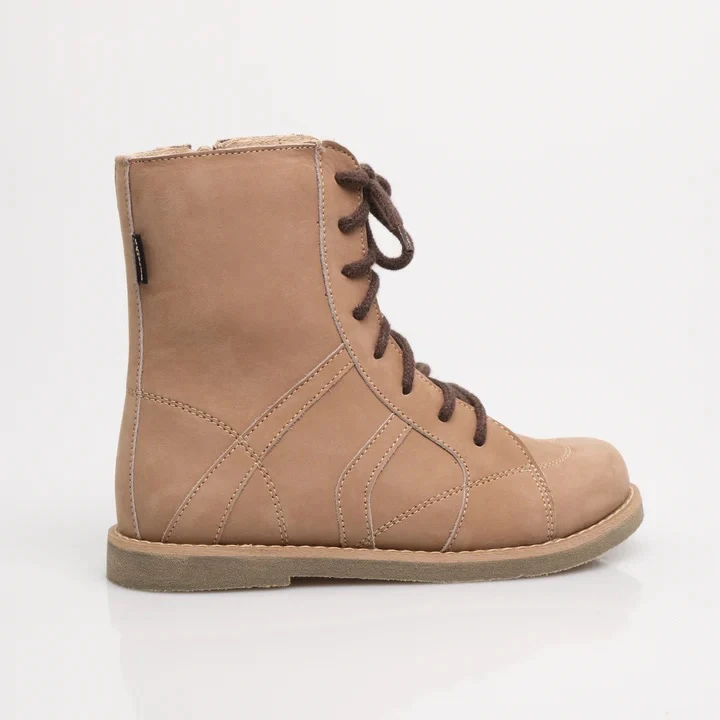
As part of the consultation, we can help select, among others:
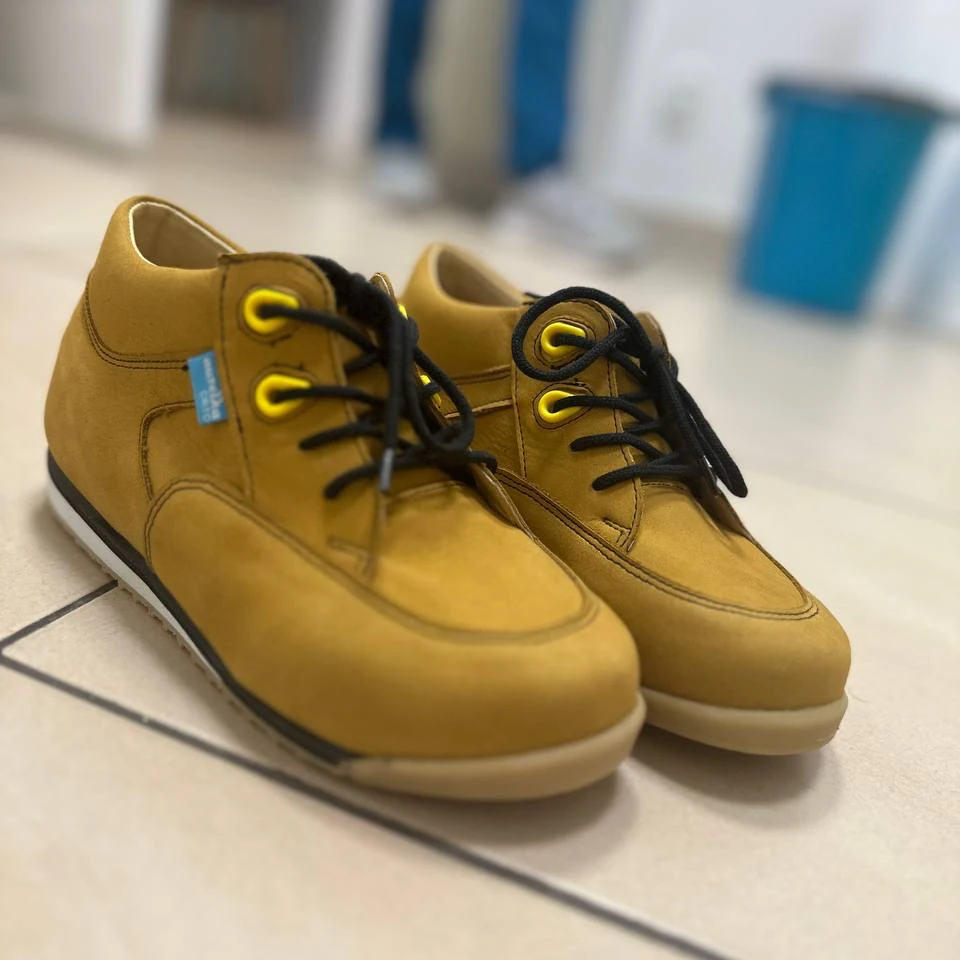
- everyday footwear for people who work standing,
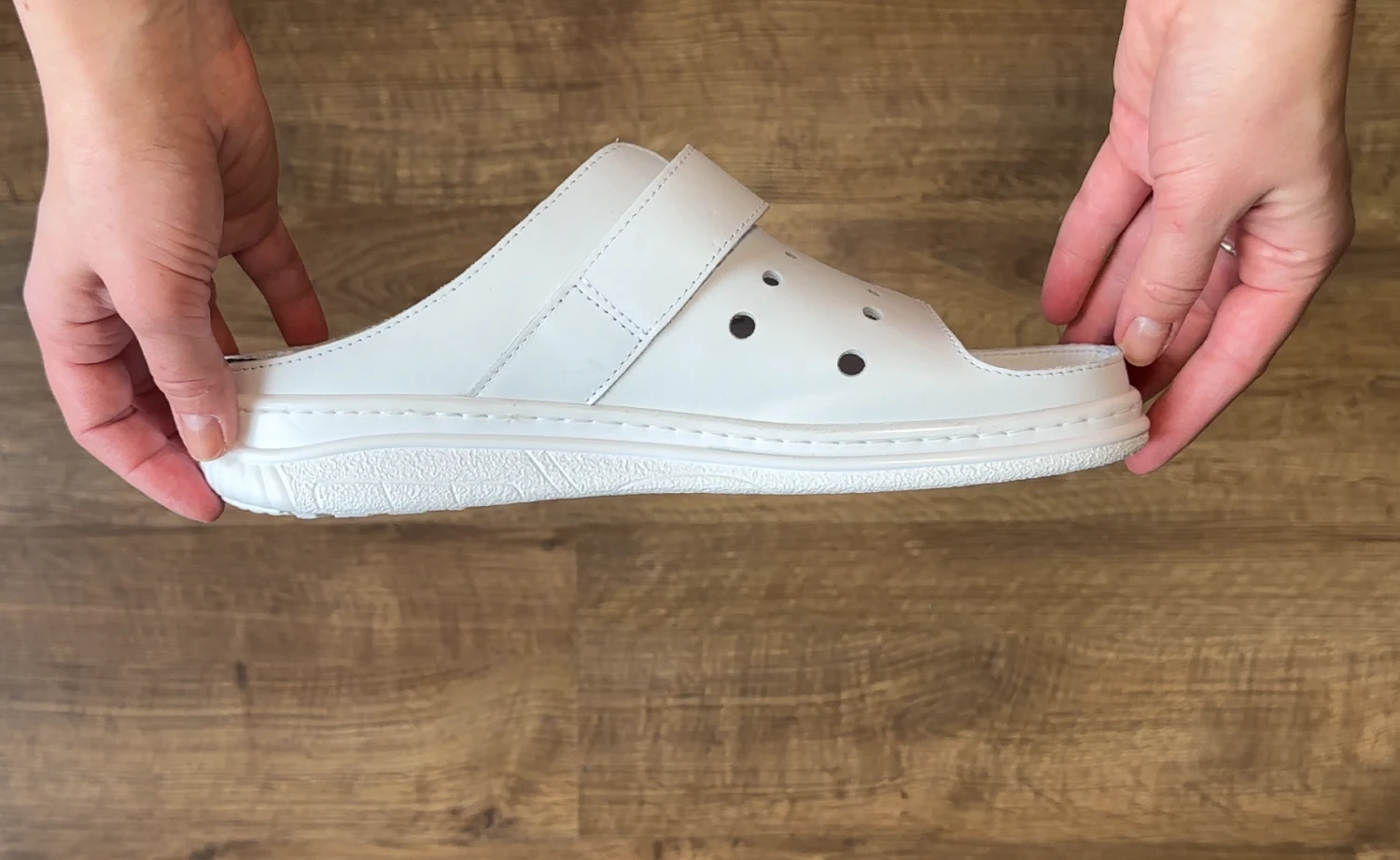
- shoes for work on the move (e.g., medical, hospitality, service),
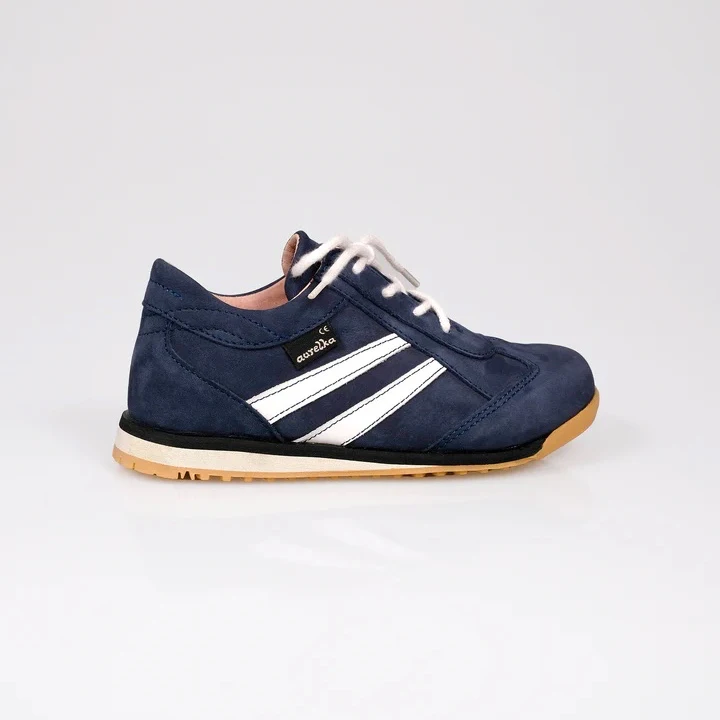
- sports or activity-specific footwear (walking, fitness, Nordic walking),
- footwear for feet with deformities (e.g., wide forefoot, bunions),
- models with adequate space for custom insoles,
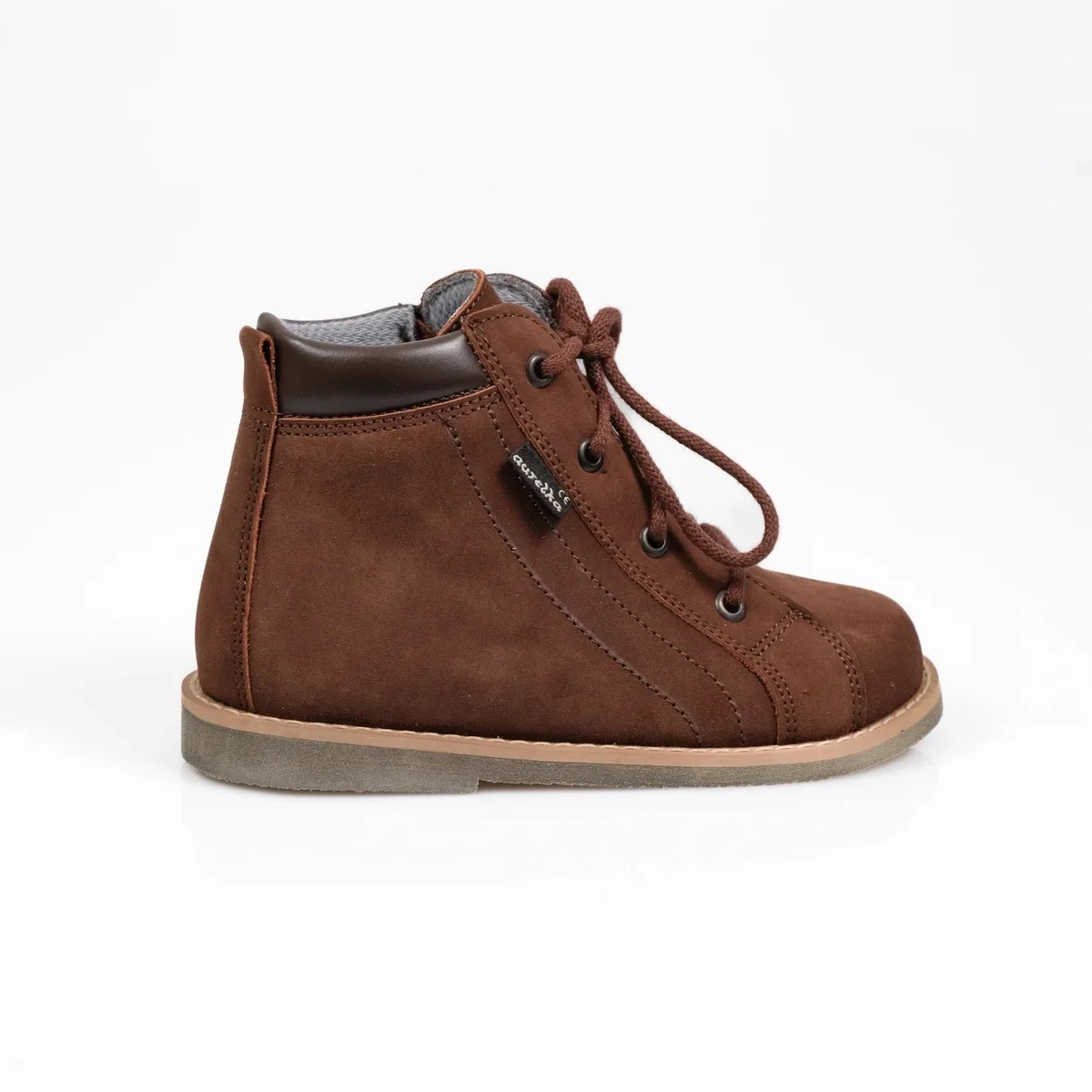
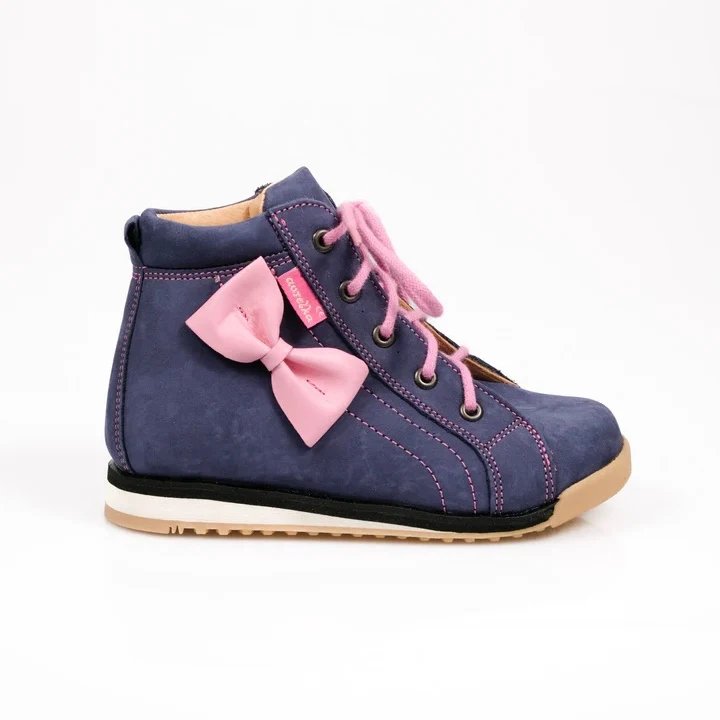
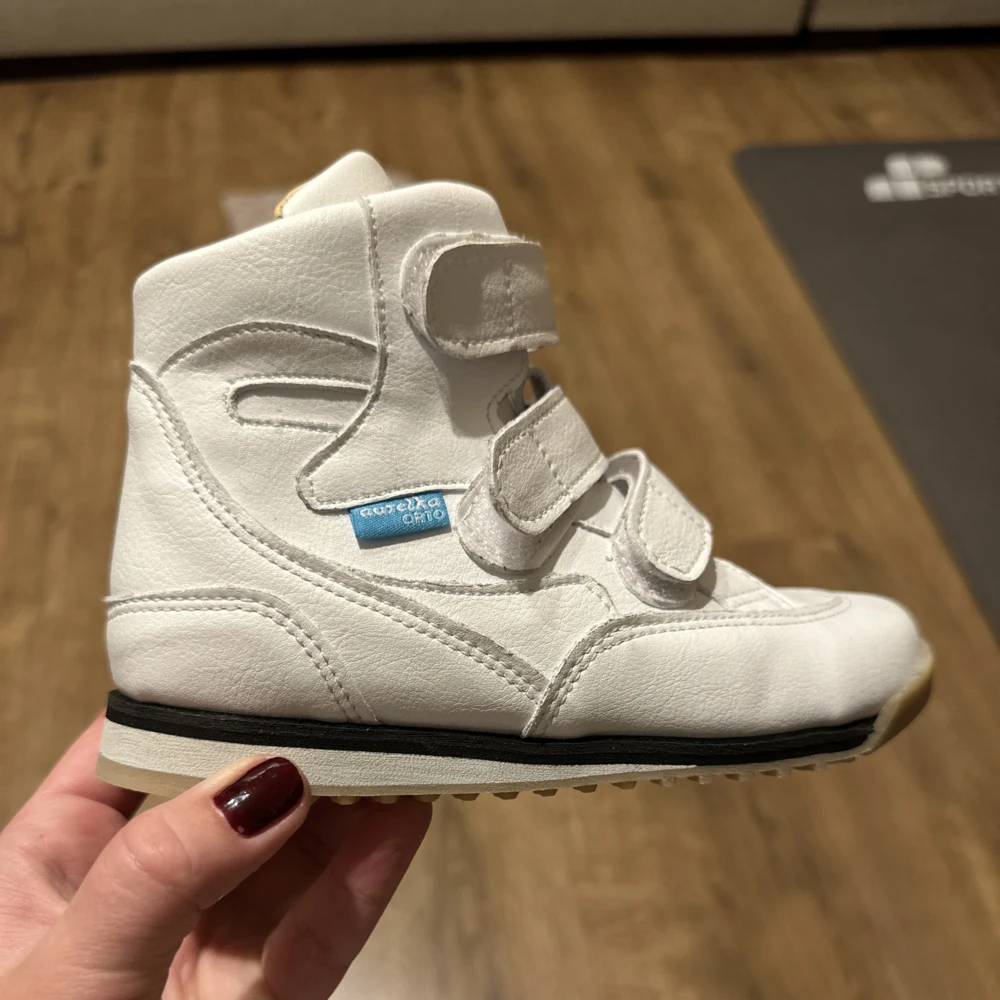
- footwear for children, where prevention and proper foot development are important.
Footwear and custom insoles
The selection of anatomical or orthopedic footwear is especially important when you use custom insoles. Even the best-designed insole will not perform its function in shoes that are too tight, too stiff, or poorly contoured.
That’s why during the consultation we pay attention to:
- the depth and width of the shoe’s interior,
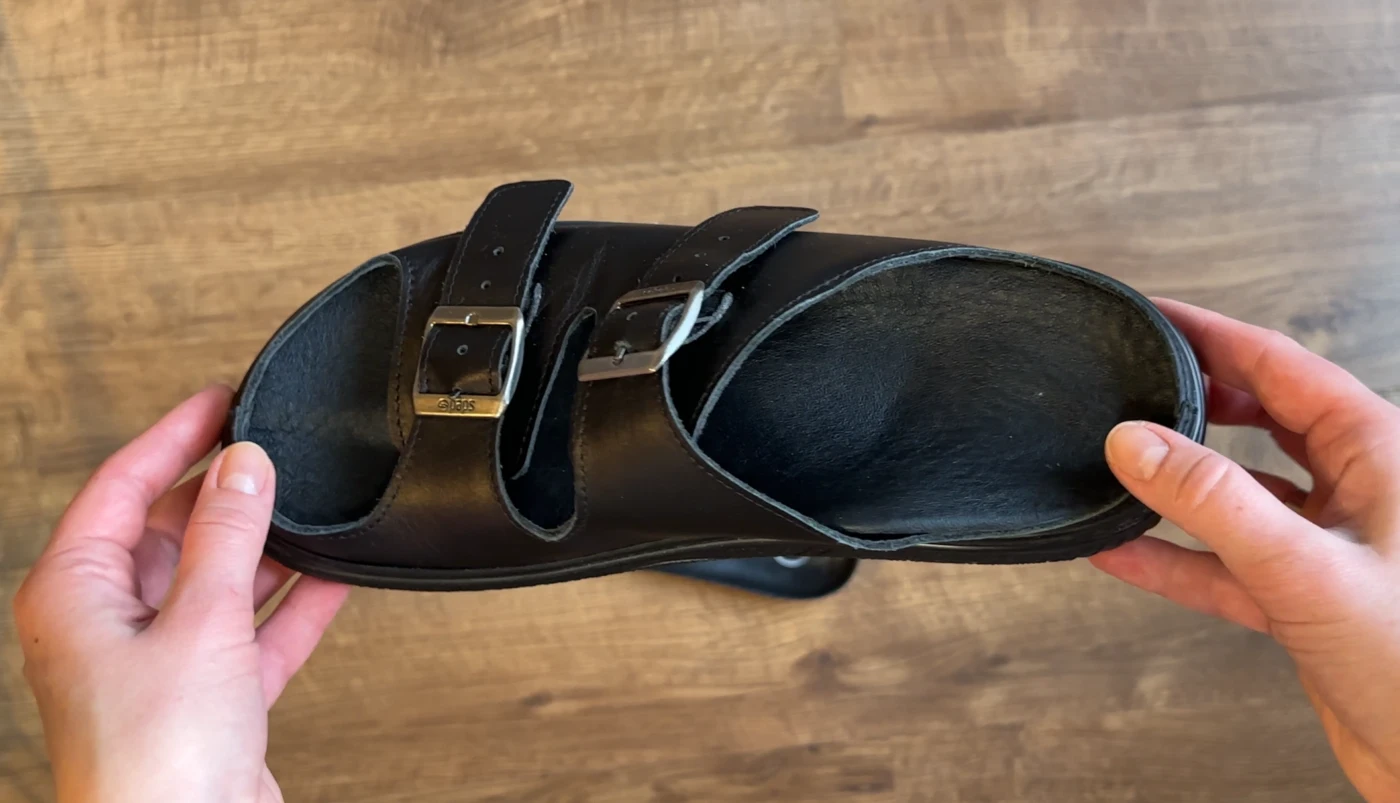
- the ability to remove the factory insole,
- heel and rearfoot stability,
- adequate space in the forefoot and freedom for the toes,
- compatibility with your current custom insole or planned correction.
Frequently Asked Questions